Advantages
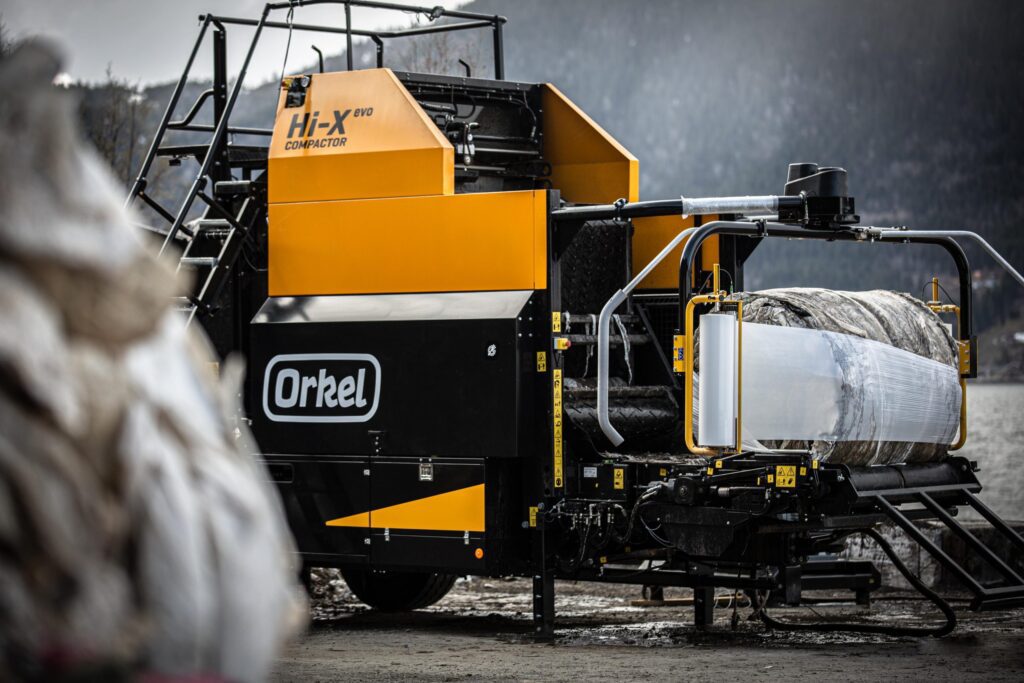
Orkel RDF baling machines compared to competitiors:
- Compact machine
- Quick to set up and start up
- High capacity
- Less maintenance required
- Lower investment cost
RDF baling and wrapping
Baling and wrapping RDF gives you clean storage and the fire hazard is almost eliminated. It compacts the material for efficient transportation and logistics. In addition, baling RDF prevents material flyaway, odour, contamination and keeps the material dry, offering the best possible fuel source to the end customer. The material is highly baleable, and there are increasing numbers of inquiries related to baling of RDF.
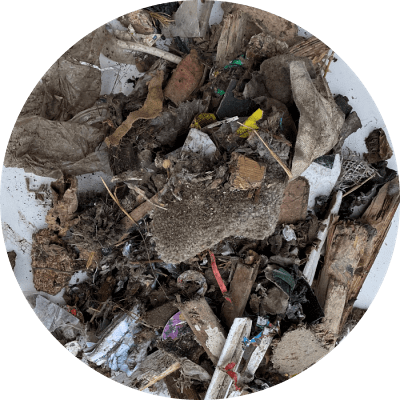
Essentially, RDF is created by sorting and separating waste materials like plastics, paper, textiles and organic material, from the general waste stream to obtain the highest possible calorific value. These materials are then shredded into minuscule pieces using specialised equipment. This is done to obtain the most homogenous product possible.
RDF can be used as a substitute for traditional fossil fuels in various applications. Some examples are energy generation in power plants, industrial boilers and cement kilns. RDF is seen as an environmentally sustainable way to reduce waste and generate useful energy.