Home / Precision / NIR

Experience automatic NIR analysis fully integrated into your Orkel baler!
NIR-analysis

Experience automatic forage analysis fully integrated into your Orkel baler!
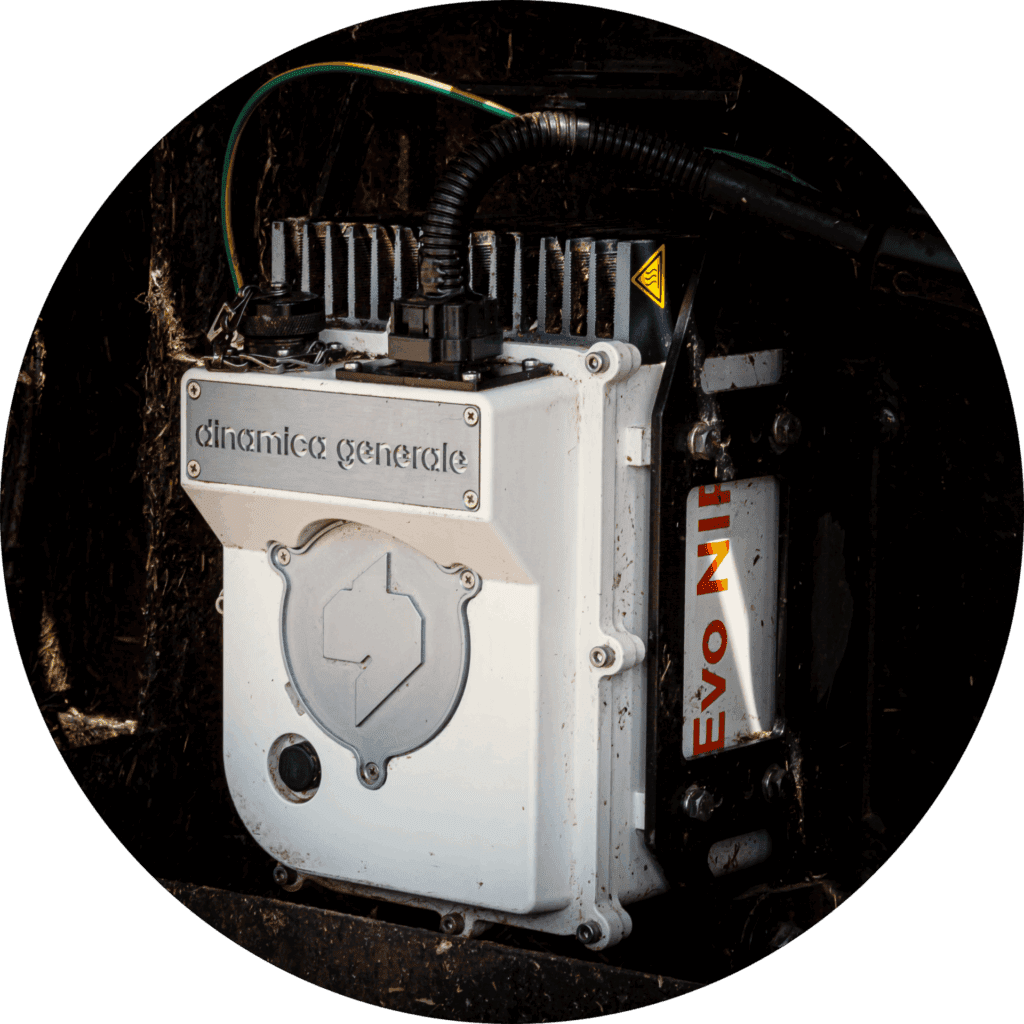
The built-in NIR sensor gives you precise insights about your material, including dry matter and nutrient levels. Compared to traditionally taking a few samples of each batch, our results give a better representation of the averages of the total batch.

You can see the measurements real time on the Compactor display and on the dedicated NIR-display. With Telematics you can get the overview on your phone or computer – a list of all the bales in the batch or over a period, in pdf or excel-file. You can also get the excel-file by usb from the display.

In essence, purchasing a NIR system offers customers the advantage of real-time, comprehensive forage analysis that leads to better decision-making, improved efficiency, enhanced quality control, and more informed management and trading of their forage.

  1. What is NIR spectroscopy and how is it applied in agriculture, particularly with round bales? NIR (Near-Infrared) Spectroscopy is an analytical technique that uses the near-infrared region of the light to rapidly and non-destructively analyze agricultural materials. In agriculture, it works by measuring how different wavelengths of light are absorbed by a sample, allowing for the determination of key components like moisture, protein, fat, fiber (NDF, ADF), and starch. When integrated in the Orkel Compactor, NIR technology enables farmers to quickly assess their nutritional content and quality without needing to send samples to a lab.
  2. How does Orkel NIR technology into their Compactor balers? Orkel integrates NIR sensors directly into the chamber of the balers. This allows for real-time analysis of forage and other materials as they are being processed or baled. The integrated sensors provide immediate data on the composition and quality of the material, and stores the data in the Orkel Precision cloud. 
  3. What are the primary advantages of using integrated NIR systems, such as those offered by Orkel, in forage management? The key benefits of using integrated NIR systems include enhanced quality control through real-time monitoring of moisture and nutrient content, to check that the baled material meets desired standards. It also provides operational efficiency by enabling immediate adjustments during baling, reducing waste and improving overall workflow. Furthermore, the precise data generated supports data-driven decision-making, allowing for better planning and management that can lead to improved yield and use of the forage. By knowing the exact levels of protein, fiber, starch, and other key components, farmers can tailor feed to the specific needs of their animals, potentially improving their health, growth, and overall performance. Additionally, this detailed information makes the trading of round bales more transparent and informed, as both buyers and sellers are aware of the product’s quality.
  4. What specific parameters related to forage quality can be analyzed in real-time using NIR technology on machinery like the Orkel Densix? NIR technology can analyze a wide array of parameters in real-time, including moisture content (dry matter), protein levels, fat content, and various fiber components such as NDF (Neutral Detergent Fiber) and ADF (Acid Detergent Fiber), as well as starch levels. 
  5. How does the adoption of NIR technology for forage analysis compare to traditional laboratory testing methods? Traditional lab testing typically involves taking a limited number of samples for detailed analysis in a laboratory, which offers high precision per sample but may not accurately represent the variability within a large forage stock due to the small sample size. Integrated NIR technology, on the other hand, allows for the analysis of a much larger number of samples in real-time, albeit with a slightly higher margin of error per individual measurement. However, the sheer volume of data points obtained with NIR provides a more representative overall picture of the forage quality and significantly reduces the uncertainty in the average composition of the entire stock.
  6. 6. How can the real-time data provided by NIR technology contribute to more sustainable agricultural practices? NIR spectroscopy supports sustainability by enabling more efficient resource utilization and reducing waste. By facilitating better-informed decision-making regarding feed management, farmers can improve animal health and productivity, potentially reducing the environmental footprint associated with livestock farming.
  7. 7. How can you get the data bout the bales?

You can see the measurements real time on the Compactor display and on the dedicated NIR-display. If you have Telematics you can get the overview on your phone or computer – a list of all the bales in the batch or over a period, in pdf or excel-file. You can also get the excel-file by usb directly from the display. 

Benefits

  • Better Representation of Forage Stock

    Compared to traditional lab testing which analyzes a few samples, integrated NIR technology analyzes a much larger number of samples in real-time, providing a more representative overall picture of the forage quality and significantly reducing the uncertainty in the average composition of the entire stock. While individual NIR measurements may have a slightly higher margin of error, the large volume of data points leads to a more accurate average.

  • Real-time Analysis of Forage Quality

    NIR technology allows for automatical and rapid analysis of agricultural materials, in real-time.

  • Enhanced Quality Control

    By monitoring parameters like moisture and nutrient content in real-time, operators can ensure that the harvested material meets desired quality standards. This allows for immediate checks on the composition of the bales as they are being made.

  • Improved Operational Efficiency

    The availability of real-time data enables immediate adjustments during the baling process, which can lead to a reduction in waste and an improvement in overall workflow.

  • Data-Driven Decision Making

    The precise data generated by NIR systems supports better planning and management. Knowing the exact levels of protein, fiber, starch, and other key components allows farmers to make informed decisions regarding feed management. This data allows feed managers to make the right decisions based on facts.

  • Support for Sustainable Practices

    By facilitating better-informed decision-making regarding feed management, NIR spectroscopy can contribute to more efficient resource utilization and reduce waste, potentially lowering the environmental footprint of livestock farming.

  • Tailoring Feed to Animal Need

    With detailed information about the nutritional content of forage, farmers can tailor feed to the specific needs of their animals, potentially improving their health, growth, and overall performance.

  • Transparent and Informed Trading

    The detailed information provided by NIR technology makes the trading of round bales more transparent and informed, as both buyers and sellers are aware of the product’s quality. Knowing the content of each bale makes the seller and buyer aware of what they are trading and can set a better price.

  • Convenient Data Access and Management

    The data collected by NIR systems can be accessed in real-time on the Compactor display and a dedicated NIR display. If the system has telematics, the data can also be viewed on a phone or computer as a list of bales in PDF or Excel format. Excel files can also be obtained via USB from the display. By adding Orkel BaleID to the system the data can also follow each bale by the QR code on the bale.